Mirai Powers, Time Travel, and the Garden Explained

Mirai’s Powers, Time Travel, and Garden Logic
Mirai does not explain its fantasy like a hard magic system. The garden works as emotional architecture: it opens the family’s past and future when Kun needs a new angle on the present.
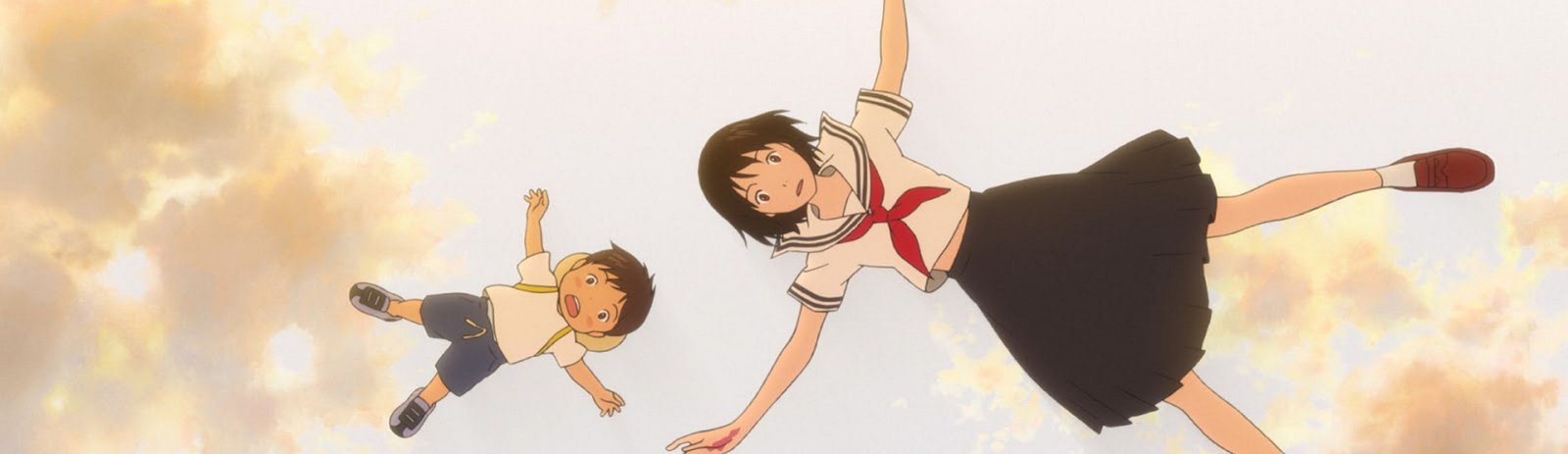
The garden as a time-crossing space
The house’s garden is the film’s soft portal. It does not behave like a machine with rules, costs, or spell names. Instead, it functions like memory made visible. Kun steps into situations that reveal what he is too young to understand through ordinary conversation.
Future Mirai as guide
Future Mirai is the most direct supernatural presence because she gives Kun a sister he can interact with. Her role is not to explain lore; it is to make siblinghood feel reciprocal. The baby is no longer just a crying object taking attention away.
Yukko’s transformation
Yukko’s fantasy form translates pet jealousy into language Kun can hear. That sequence matters because it makes Kun’s own jealousy less invisible and less unique.
Trains as identity magic
The train imagery works like symbolic power. Kun loves trains as machines and names, but the final movement uses that obsession to ask who he is, where he belongs, and which family route he chooses.
Is the time travel literal?
The film leaves room for a gentle reading either way. PopRot’s interpretation treats the time travel as emotionally real whether or not every crossing is meant as physical science fiction. What matters is the change it creates in Kun: he returns with more empathy than he had before.