Mirai Family, Household, and Generational Connections

Mirai Family, Household, and Generational Connections
Mirai’s “groups” are not factions in the battle-anime sense. They are circles of care: the immediate household, the grandparents, the family line, and even Yukko’s place in the home.
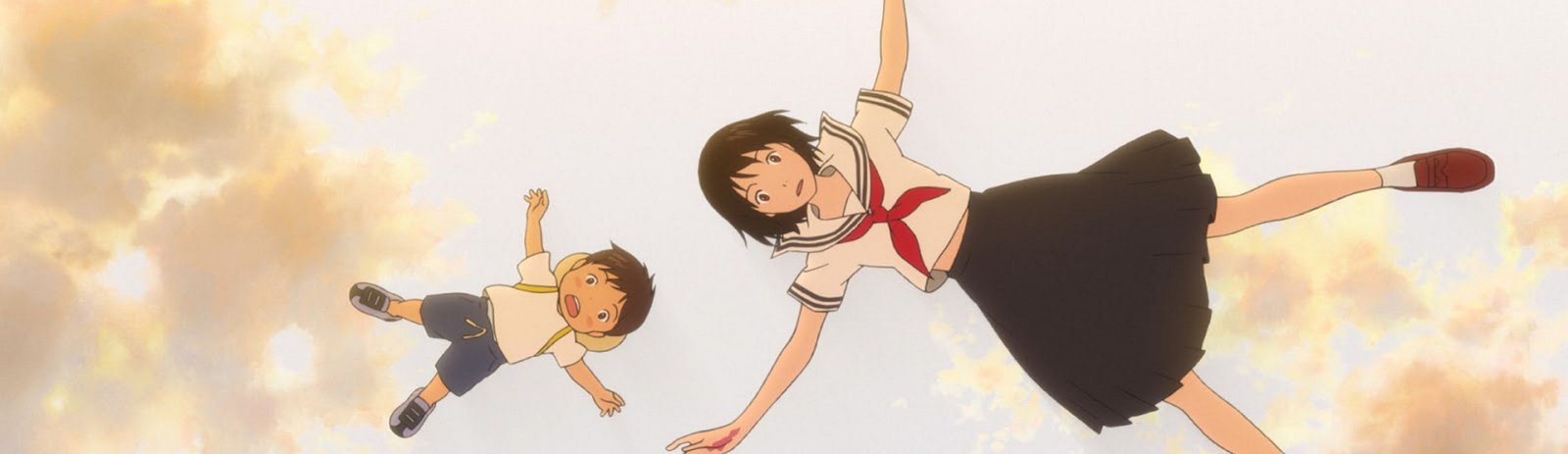
The Oota household
Kun, Mirai, their parents, and Yukko form the everyday center of the movie. The conflicts are domestic: noise, exhaustion, toys, pride, work, childcare, and the feeling that love is now being divided.
Parents under pressure
The father’s work-from-home routine and the mother’s return to professional and household demands make the film unusually attentive to parenting labor. The parents love Kun, but they are not endless sources of patience. That honesty gives the movie its texture.
Grandparents and the family line
Jiji, Baba, and the great-grandfather material widen the story beyond one week of sibling jealousy. Kun’s life exists because previous generations survived, chose each other, made mistakes, and kept moving.
Yukko as household elder
Yukko is funny, but not disposable. The dog’s jealousy is a miniature version of Kun’s jealousy, which makes him part of the same emotional system rather than a side gag.
Why the family tree matters
The movie’s title points toward Mirai, but the emotional destination is shared identity. Kun becomes more secure when he realizes he is not losing a place; he is finding a new one as brother, son, grandson, and inheritor of family memory.
Related characters
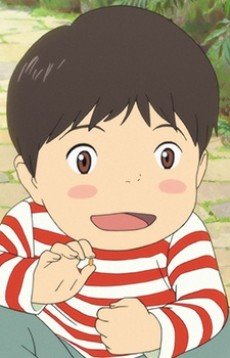 Kun OotaThe four-year-old center of the film, Kun begins as a train-loving only child who feels displaced when baby Mirai arrives.
 Mirai OotaKun’s baby sister in the present and the confident older girl who appears from the future.
 Young Man / Great-GrandfatherA younger version of Kun’s great-grandfather, seen during one of the film’s key family-history encounters.
 YukkoThe family dog, reimagined through Kun’s magical perspective as a jealous older member of the household.
 JijiKun and Mirai’s grandfather, part of the wider family network surrounding the house.
 FatherKun and Mirai’s father, an architect working from home while learning to handle more daily childcare.
 MotherKun and Mirai’s mother, balancing work, recovery, household pressure, and Kun’s intense reactions to change.
 BabaKun and Mirai’s grandmother, another link in the family’s practical support system.